
How US Clothing Brands Work with a Guangzhou Manufacturer: From Fabric to Finished Garment
May 2025 · By the Surge Clothings Team
For US brands sourcing from China, the biggest challenge isn't finding a manufacturer — it's understanding what the relationship actually looks like once you start. What happens between your first inquiry and your first shipment? Who handles compliance? How does communication work across a 12-hour time difference?
This guide walks through exactly how Surge Clothings works with US brand clients, from the fabric decisions made months before production begins to the quality checks that happen before your order ships.
Step 1: Fabric Sourcing Starts Before You Place an Order
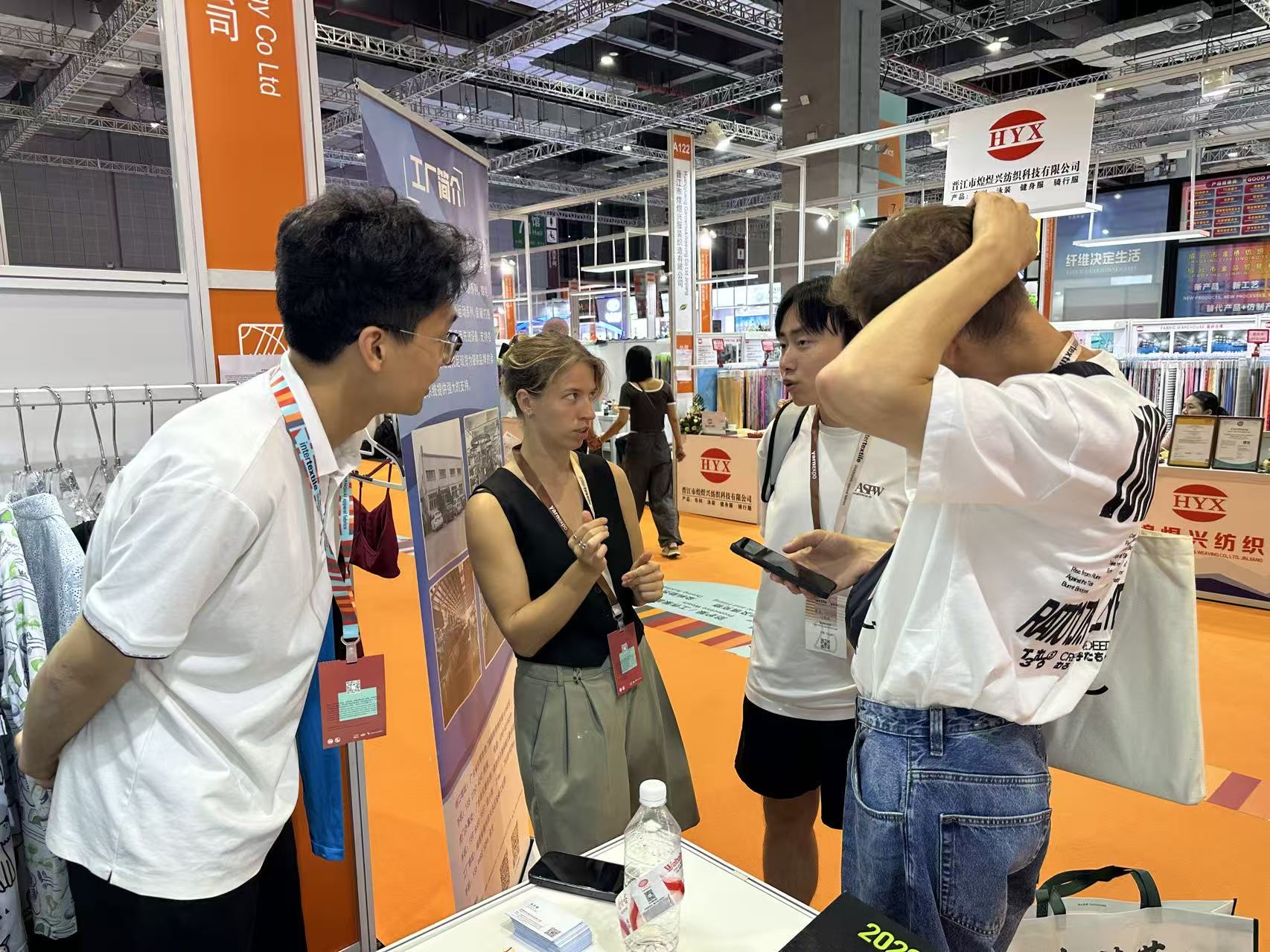
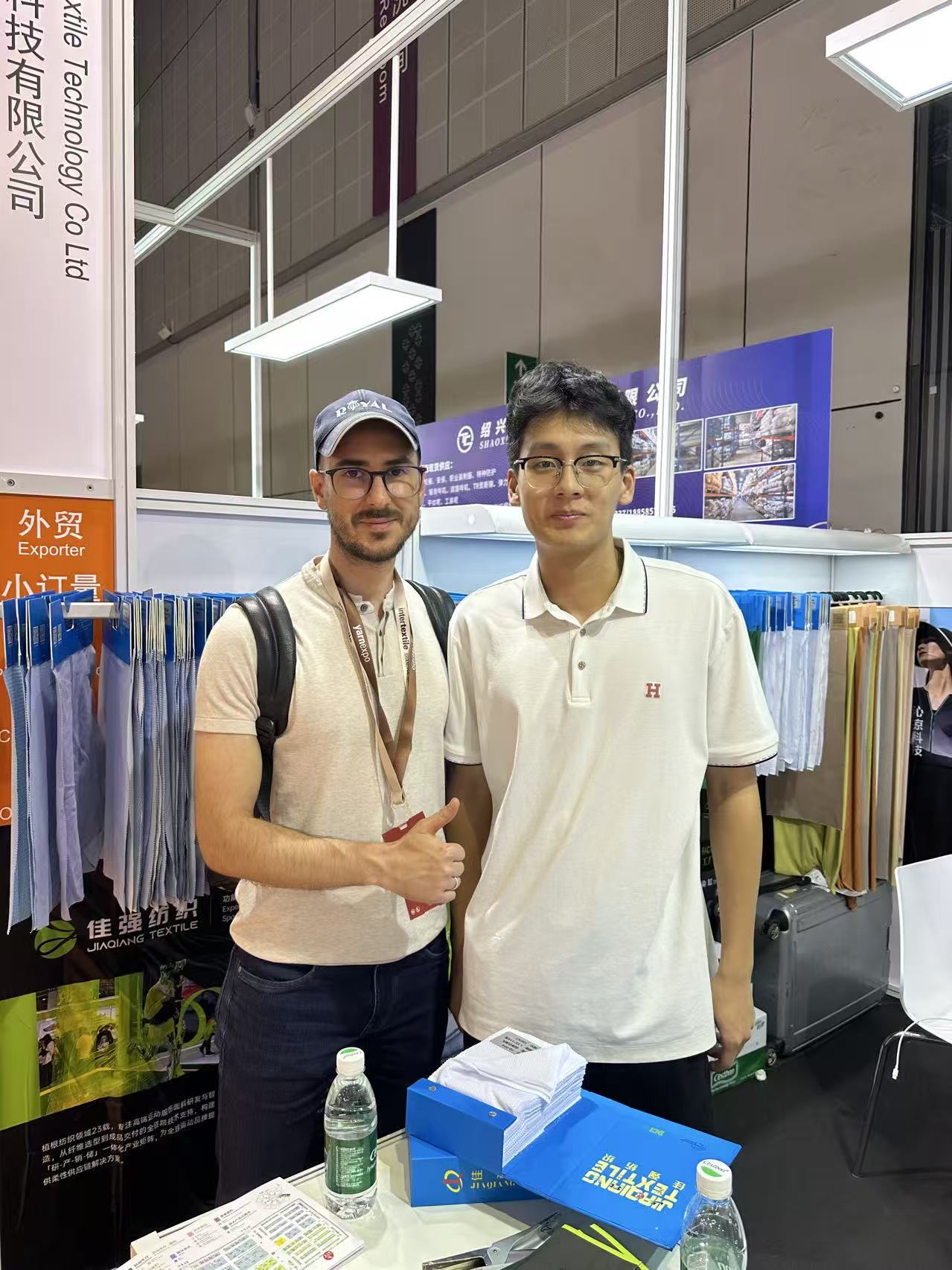
Surge Clothings at the Guangzhou Textile Fair
Every garment we produce begins not at a cutting table, but at a trade show floor — months before production starts. Our sourcing team attends Guangzhou's major textile expos throughout the year, where we evaluate hundreds of fabric suppliers and lock in materials that meet the specific requirements of each client's collection.
Before we attend, we review each client's tech packs, target markets, and compliance requirements. For US brands, this means paying particular attention to CPSC requirements and fiber content labeling rules, which must be addressed at the material stage — not after the garment is cut.
When we evaluate a supplier at the show, we check hand feel and weight, examine weave density, assess color depth and fastness, and request technical data sheets for any performance fabric. Any supplier that can't provide spec sheets on the spot is removed from consideration.
After the show, promising samples go to our in-house development team for wash tests, shrinkage assessments, and seam strength checks before anything moves to production. Our Research & Development team manages this entire process — sourcing tailor-made fabrics at competitive prices, with direct mill visits to verify quality and color accuracy.
Step 2: Sampling Is Where the Relationship Gets Real
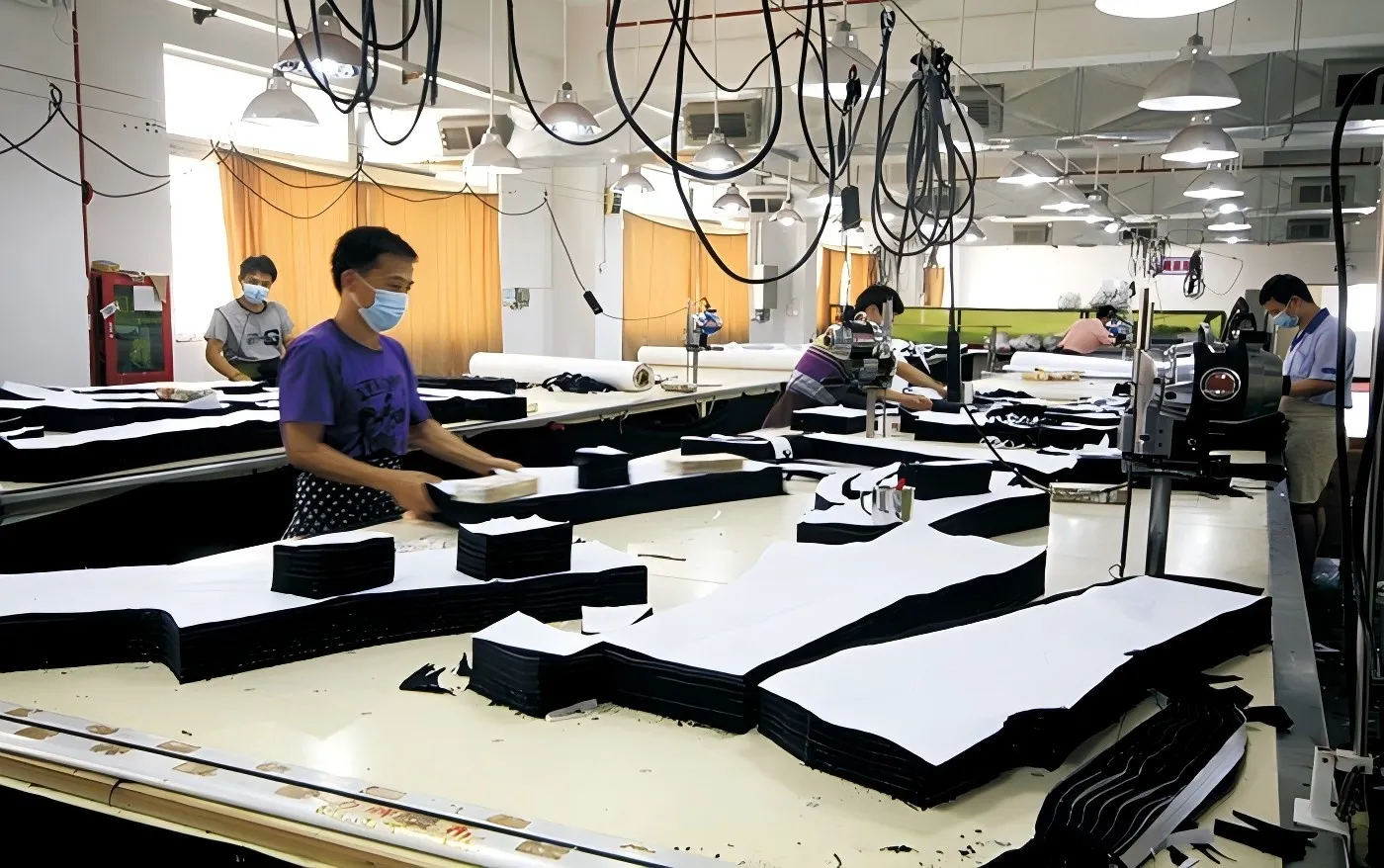
Pattern cutting at our Guangzhou facility
Sampling is the most important phase of any production run — and the most misunderstood. A sample isn't just a prototype. It's a test of whether your manufacturer truly understands your design intent, your fit standards, and your quality expectations.
At Surge Clothings, we treat the sampling stage as a collaborative process. We review your tech packs in detail, flag any construction ambiguities before we cut, and produce first samples that reflect the actual production method — not a shortcut version designed to look good for approval photos.
For US brands working across time zones, our team provides detailed sample review documentation with annotated photos, so revision rounds don't require back-and-forth calls at inconvenient hours. Learn more about our garment sampling process, including timelines and what to prepare before your first sample request.
Step 3: Quality Control Throughout Production — Not Just at the End
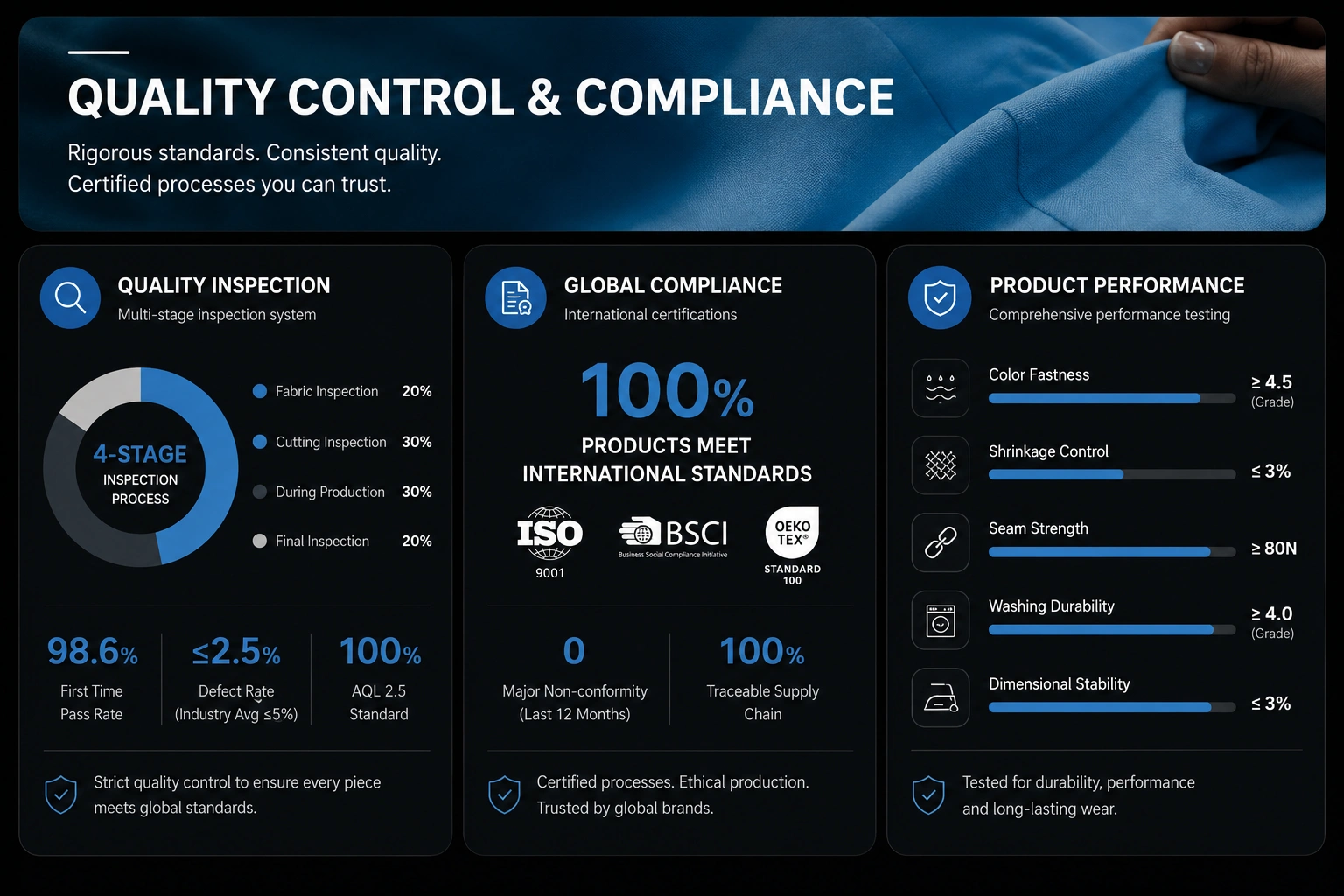
In-line quality inspection before packing
One of the most common frustrations US brands report with Chinese manufacturers is discovering quality issues at the point of shipment, when it's too late to address them without delaying the season. The root cause is almost always the same: quality checks only happen at the end of the production run.
Our approach is different. In-line inspection happens throughout production — at the cutting stage, mid-run, and before packing. Defects caught on day 10 of a 30-day run can be corrected. Defects caught at port cannot.
For US-bound shipments, our quality checks specifically include fiber content verification for FTC labeling compliance, care label accuracy, and CPSC-relevant material testing where applicable. Our Quality Control service covers both in-line and final inspection, with documented defect reports shared with clients at each stage.
Step 4: Communication and the Trust Question
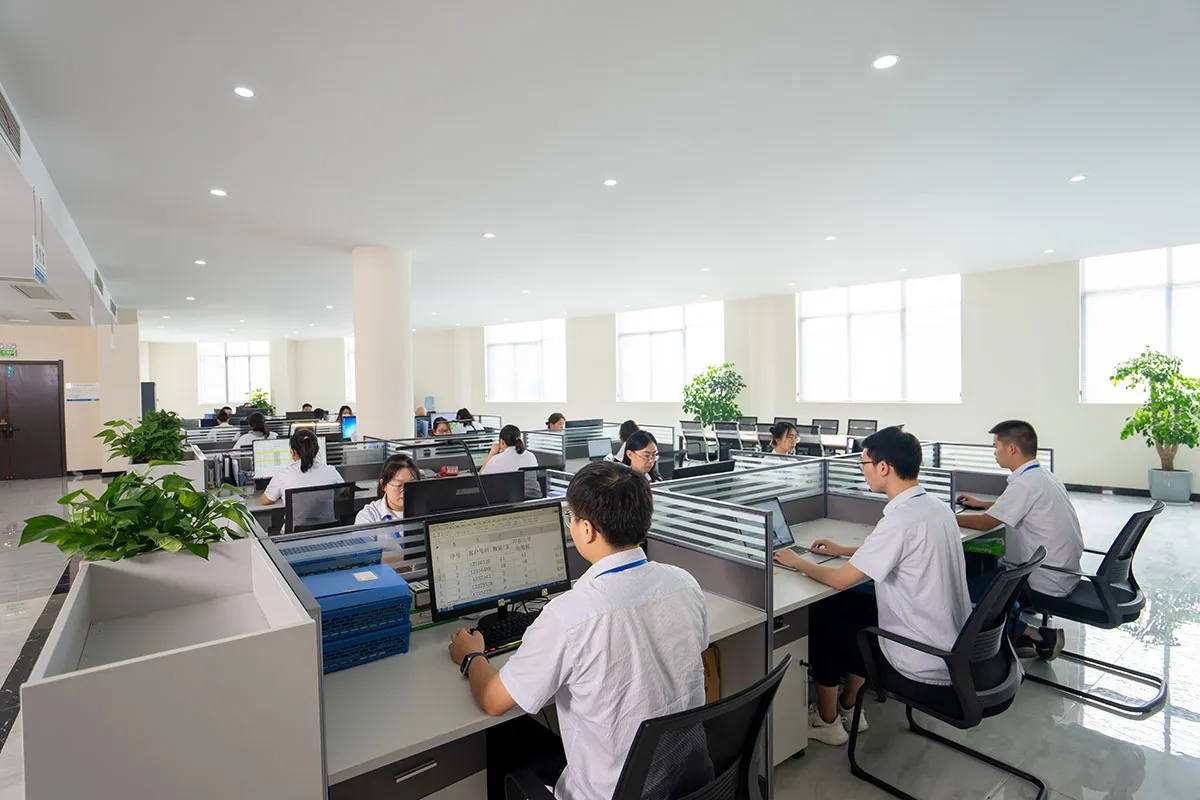
Direct English-language client communication
Of all the concerns US brands raise about sourcing from China, communication is the most consistent. Time zones, language barriers, and the cultural tendency to avoid delivering bad news directly have cost many brands time and money. We've built our client relationships around addressing this directly.
Every US client works with a dedicated point of contact who provides production updates proactively — not reactively. If there's a problem at the fabric stage, you hear about it from us before it becomes a production problem. If a timeline shifts, you know immediately.
Whether you're placing your first production run or looking to move volume from an existing supplier, our full production packages are designed to cover the entire process end-to-end — from fabric sourcing through finished garment delivery.
Ready to start your production run?
Talk to our team today.